| Length | 11:33 |
|---|---|
| Subject | Anxiety & Stress |
| Best time | Any time. Straight after a headline has landed heavy, or first thing before you turn the news on |
| Position | Sitting or lying down |
| Style | Spoken throughout, slow and gentle, with a form of Tonglen: breathe in what is hard, breathe out a wish for others to be safe. Music underneath |
When the news lands heavy and there's nothing you can do. Breathe in what's hard, breathe out a wish for them to be safe.
About 12 minutes with Steven Webb's calm voice and music underneath.
We breathe in what's hard and breathe out a wish for people to be safe. It's a gentle form of Tonglen. First we notice where a headline landed in the body, then we breathe a little of that out for you too. Then we widen it. Somewhere someone is making a neighbour a cup of tea, and a nurse is starting her night shift. The fire gets the pictures, but the people carrying the water are out there too, millions of them. We end with three wishes, and the reminder that you can care and still rest.
Treat me to a coffee, keep the podcast free, and get my Weekly Calm every Sunday. It is all on stevenwebb.uk
Thank you for sitting with me.
Steven
Who this is for
You saw something on the news, or on your phone, or a friend told you, and it landed. Worthless, angry or helpless, and nothing you can do about it from where you are sitting. You can't stop caring, and you can't carry all of it either.
This is for the person who feels it because they care. If you didn't care, you wouldn't be bothered by it.
What happens in this meditation
It opens by naming the moment, then a short settle. I ask you to notice where the last headline landed in your body. Your shoulders, your jaw, your stomach.
Then one breath that does something. Breathe in, this is hard. Breathe out, may they be safe. We do it for everyone who read the same headline today, then for you too. We widen it with a neighbour's cup of tea and a nurse starting a night shift, and the fire that gets the pictures while the people carrying the water don't. It ends with three wishes and a gentle count back.
How to get the most from it
About twelve minutes, sitting or lying down. Headphones help, because the music sits low under the voice.
Use it after the news has got under your skin, or try it first thing. Practice first, news second. Even a breath or two before you turn on the headlines is enough, just to remember it's not yours to carry.
Questions people ask
Do I need to know Tonglen, or have meditated before?
No. I say the words and you breathe. In, this is hard. Out, may they be safe. That is all there is to it.
Does this mean I should be doing something about what I have seen?
Not every headline needs an action from you. If one small thing is within reach, a message, a donation, a kindness, do that. If nothing comes, that's fine too. Sometimes the suffering just needs to be felt and then put down.
Is there a talk that goes with this?
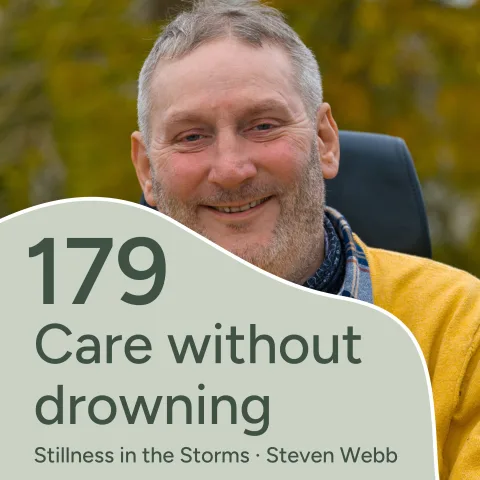
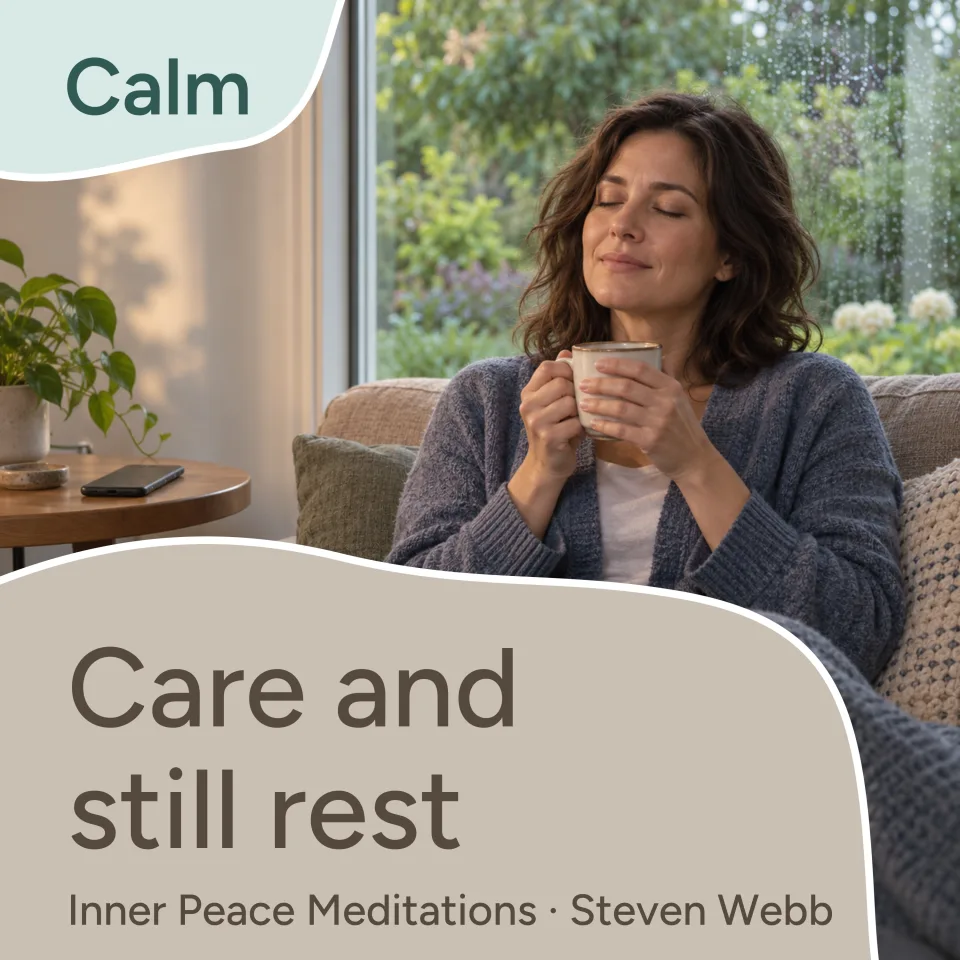
Yes. Stillness in the Storms 179, Overwhelmed by the News: Caring Without Drowning, is the other half. It is about why the news wears us out and what you can do at arm's length. This meditation is the practice that goes with it.